
Exploring the World of Light Roast Coffee

There’s something magical about the first sip of a freshly brewed cup of coffee. The aroma, the warmth, the burst of flavor - it all comes together to create a moment of pure joy. For those who crave a brighter, more nuanced coffee experience, the world of light roast coffee offers a treasure trove of delights. As someone who has journeyed through countless coffee beans and brewing methods, I find myself continually drawn to the vibrant and complex profiles that light roasts reveal. Today, I want to take you on a flavorful adventure into this fascinating realm, where every cup tells a story of origin, care, and craftsmanship.
Discovering the Light Roast Coffee Profile
When you think of coffee roasting, you might picture dark, rich, and bold brews. But light roasts are a different story altogether. They are roasted for a shorter time at lower temperatures, preserving the unique characteristics of the coffee bean itself. This means the flavors are often brighter, fruitier, and more acidic, with floral or citrus notes that dance on your palate.
What makes the light roast coffee profile so special is its ability to showcase the terroir - the environment where the coffee is grown. From the highlands of Cameroon to the lush valleys of Ethiopia, each region imparts distinct flavors that roasting too darkly would mask. Light roasts invite you to savor these subtle nuances, making every cup a sensory exploration.
If you’re curious to try some exceptional beans, I highly recommend checking out light roast coffee from Akoma Coffee. Their commitment to ethical sourcing and sustainable farming means you’re not just enjoying a great cup, but also supporting local African farmers and communities.

The Art and Science Behind Light Roasting
Roasting coffee is both an art and a science. For light roasts, the process requires precision and patience. The beans are heated until they reach an internal temperature of about 356°F to 401°F (180°C to 205°C). At this stage, the beans have just started to crack, releasing their first pop of aroma and flavor.
This careful roasting preserves the bean’s original sugars and acids, which are responsible for the bright and lively taste. Unlike darker roasts, which develop deeper caramelization and smoky notes, light roasts maintain a cleaner, more transparent flavor profile.
For home brewers, this means paying close attention to your roast level and brewing method. Pour-over, Aeropress, and Chemex are excellent choices to highlight the delicate flavors of a light roast. Using freshly ground beans and filtered water will further enhance the experience.
Tips for Brewing the Perfect Light Roast Cup
Use a medium grind size to avoid over-extraction.
Brew at a water temperature between 195°F and 205°F.
Experiment with brew time; lighter roasts often benefit from slightly longer extraction.
Taste mindfully and note the flavor notes you detect - berries, citrus, floral hints, or even tea-like qualities.

Is a Light Roast Coffee Strong?
This is a question I often hear, and it’s worth unpacking. When people ask if a light roast coffee is strong, they usually mean caffeine content or flavor intensity. The answer might surprise you.
Contrary to popular belief, light roasts generally contain slightly more caffeine than dark roasts. This is because caffeine is lost gradually during the roasting process, so the shorter roasting time preserves more of it. However, the difference is subtle and won’t cause a dramatic caffeine spike.
In terms of flavor strength, light roasts are not “strong” in the traditional sense of boldness or bitterness. Instead, they offer a vibrant and complex flavor that can feel intense in its brightness and acidity. It’s a different kind of strength - one that awakens your senses with clarity rather than heaviness.
If you prefer a coffee that energizes without overwhelming your palate, light roasts are a fantastic choice. They invite you to savor every note and appreciate the craftsmanship behind each bean.
Ethical Sourcing and the African Coffee Connection
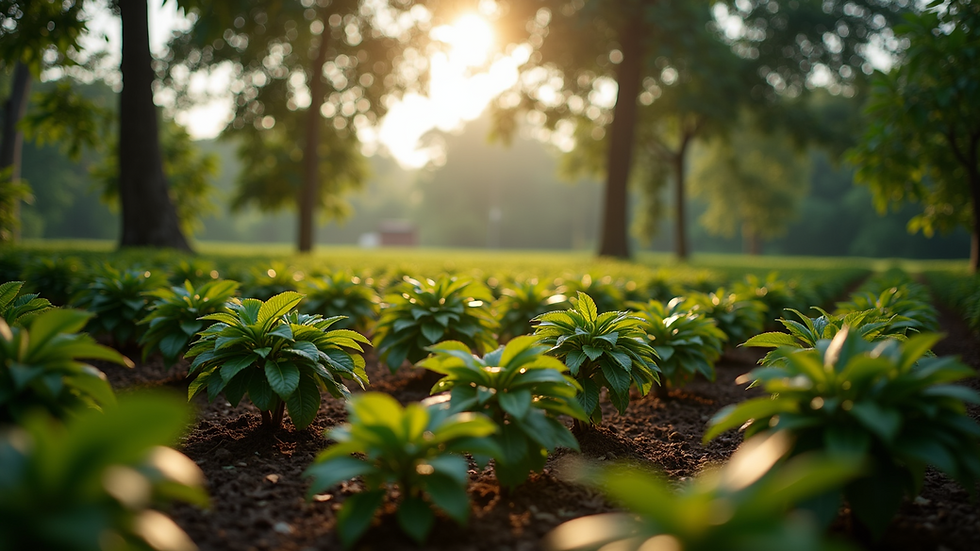
One of the most rewarding aspects of exploring light roast coffee is discovering the stories behind the beans. African coffees, especially those from Cameroon, Ethiopia, and Kenya, are renowned for their unique flavor profiles and rich heritage.
Akoma Coffee stands out by focusing on premium Cameroonian coffee, working closely with local farmers to ensure fair trade and sustainable practices. This means the coffee you enjoy is not only delicious but also supports communities and promotes environmental stewardship.
By choosing ethically sourced light roast coffee, you become part of a larger movement that values quality, transparency, and respect for the land and people who cultivate these precious beans.
How Ethical Sourcing Impacts Flavor and Quality
Farmers receive fair wages, allowing them to invest in better farming techniques.
Sustainable practices protect soil health and biodiversity.
Traceability ensures freshness and authenticity.
Direct trade relationships foster trust and innovation.
Supporting brands like Akoma Coffee means you’re helping preserve the unique flavors of African coffee while contributing to a more equitable global coffee industry.
Elevate Your Coffee Ritual with Light Roasts
If you’re ready to embrace the world of light roast coffee, here are some practical ways to elevate your daily ritual:
Invest in quality beans - Freshness matters. Buy from trusted sources that roast to order.
Experiment with brewing methods - Try pour-over, Aeropress, or cold brew to find your favorite.
Use a scale and timer - Precision helps unlock the best flavors.
Take notes - Keep a coffee journal to track what you like and discover new favorites.
Pair with food - Light roasts go beautifully with citrus fruits, mild cheeses, and pastries.
By approaching your coffee with curiosity and care, you’ll find that each cup becomes a moment of discovery and delight.
Exploring the world of light roast coffee is more than just a taste adventure - it’s a journey into culture, sustainability, and craftsmanship. Whether you’re savoring the bright notes of a Cameroonian bean or experimenting with your brewing technique, there’s always something new to learn and enjoy. So next time you reach for your coffee, consider the story behind the roast and the vibrant flavors waiting to be uncovered. Your palate - and the planet - will thank you.


Comments