
The Practices Behind Sustainable Coffee Farming Practices

Coffee is more than just a morning ritual or a comforting cup to savor. It’s a story brewed from the soil, the hands that nurture it, and the traditions that shape its flavor. When I think about the journey of coffee from farm to cup, I’m drawn to the heart of its origin—the farms where every bean is carefully cultivated. Today, I want to take you on a journey through the sustainable coffee farming practices that not only protect the environment but also honor the rich heritage and unique flavors of African coffee, especially from Cameroon.
Why Sustainable Coffee Farming Practices Matter
Sustainability in coffee farming is not just a buzzword; it’s a commitment to the future. It means growing coffee in ways that protect the land, support farmers, and produce exceptional beans. For those who cherish the deep, complex notes of African coffee, understanding these practices adds a new layer of appreciation.
Sustainable coffee farming practices focus on:
Preserving biodiversity by maintaining shade trees and natural habitats.
Reducing chemical use to protect soil and water quality.
Empowering local farmers through fair wages and community support.
Enhancing soil health with organic compost and crop rotation.
Conserving water through efficient irrigation methods.
These practices create a cycle of care that benefits the environment and the people who depend on it. When you sip a cup of coffee grown this way, you’re tasting the dedication to quality and respect for nature.

The Core Techniques of Sustainable Coffee Farming Practices
Let’s dive into some of the core techniques that make sustainable coffee farming a reality. These methods are not only environmentally friendly but also enhance the flavor profile of the coffee beans.
Shade-Grown Coffee
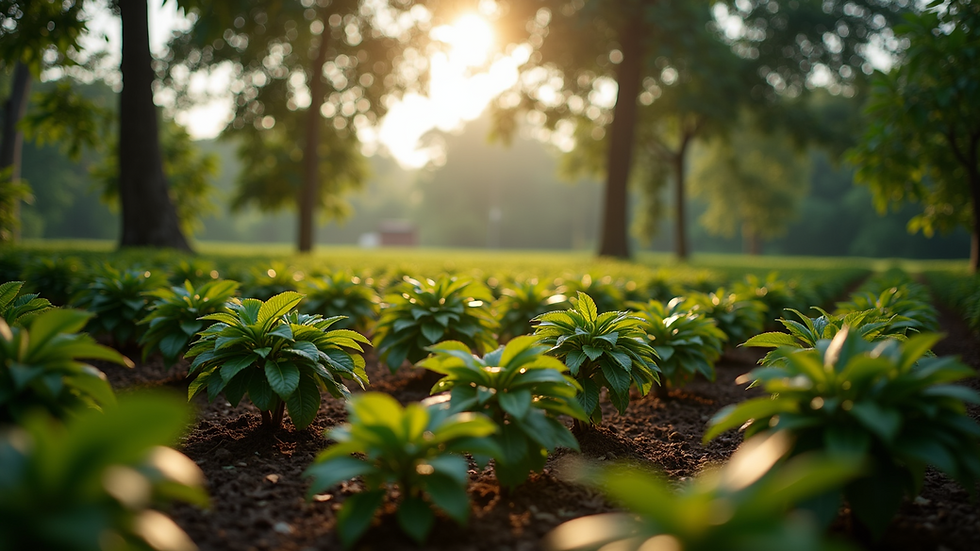
One of the most important practices is growing coffee under the canopy of native trees. This shade protects the coffee plants from harsh sunlight and helps maintain a cooler microclimate. It also supports wildlife, from birds to beneficial insects, which naturally control pests.
Organic Fertilization
Instead of synthetic fertilizers, sustainable farms use organic compost made from coffee pulp, leaves, and other natural materials. This enriches the soil with nutrients and improves its structure, allowing roots to grow deeper and stronger.
Water Conservation
Water is precious, especially in coffee-growing regions. Sustainable farms employ drip irrigation and rainwater harvesting to minimize water waste. These methods ensure that coffee plants get just the right amount of moisture without depleting local water sources.
Integrated Pest Management (IPM)
Rather than relying on chemical pesticides, farmers use IPM techniques. This includes introducing natural predators, planting pest-repellent crops nearby, and monitoring pest populations carefully. The result is healthier plants and safer coffee.
Fair Trade and Community Support
Sustainability extends beyond the environment. It’s about people too. Fair trade practices ensure farmers receive fair prices, which helps improve their quality of life and invest in their farms. Community programs often focus on education, healthcare, and infrastructure, creating a thriving coffee-growing region.

How These Practices Shape the Flavor of African Coffee
The unique flavors of African coffee, especially from Cameroon, are deeply influenced by sustainable farming. The careful balance of shade, soil health, and natural pest control creates beans with vibrant acidity, fruity notes, and a rich aroma.
When coffee is grown sustainably, the beans develop slowly and evenly. This slow maturation allows complex sugars and acids to form, resulting in a cup that bursts with character. You might notice hints of berry, citrus, or even floral undertones—flavors that tell the story of the land and the care invested in every step.
Supporting Sustainable Coffee Farming
If you’re passionate about coffee that tastes exceptional and supports ethical practices, choosing brands that prioritize sustainability is key. For example, Akoma Coffee is dedicated to premium Cameroonian coffee, grown with respect for the environment and local communities.
Here’s how you can support sustainable coffee farming:
Buy from trusted sources that are transparent about their farming practices.
Look for certifications like organic, fair trade, or Rainforest Alliance.
Educate yourself about the origins of your coffee and the stories behind it.
Share your knowledge with fellow coffee lovers to spread awareness.
Experiment with brewing methods that highlight the unique flavors of sustainably grown beans.
By making informed choices, you help create demand for coffee that uplifts farmers and protects the planet.
The Future of Coffee Starts on the Farm
Sustainable coffee farming is more than a method—it’s a movement. It’s about honoring the earth and the people who cultivate its gifts. As I reflect on the vibrant landscapes of Cameroon and the rich aromas that fill the air, I’m reminded that every cup of coffee is a celebration of life, culture, and care.
When you choose coffee grown with these practices, you’re not just enjoying a delicious drink. You’re supporting a future where coffee farming sustains communities, preserves ecosystems, and delivers flavors that inspire.
So next time you brew your favorite cup, take a moment to savor the story behind it—the story of sustainable coffee farming that nurtures the land and the soul.
If you want to explore more about how these practices come to life and discover premium Cameroonian coffee, check out Akoma Coffee’s story. It’s a journey worth tasting.


Comments