
The Benefits of Sustainable Coffee Cultivation: A Journey into Ethical and Flavorful Brews

Coffee is more than just a morning ritual or a caffeine fix. It’s a story in every cup, a journey from the rich soils of Africa to your favorite mug. But not all coffee is created equal. When I first discovered the world of sustainable coffee cultivation, it transformed how I appreciate every sip. This approach not only nurtures the environment but also uplifts communities and delivers unique, vibrant flavors that tell the tale of their origin. Let me take you on a flavorful journey into why sustainable coffee cultivation matters and how it benefits us all.
Why Sustainable Coffee Cultivation Matters
Sustainable coffee cultivation is about growing coffee in a way that respects the environment, supports farmers, and preserves the quality of the beans. Unlike conventional farming, which often relies on harmful chemicals and unsustainable practices, sustainable methods focus on balance and care.
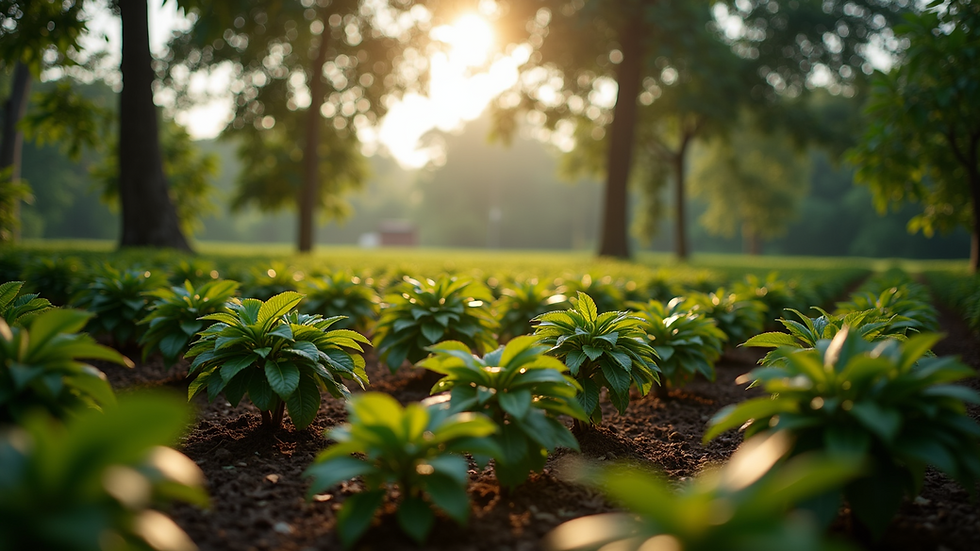
Imagine coffee plants thriving under the shade of native trees, their roots enriched by organic compost rather than synthetic fertilizers. This method protects biodiversity, conserves water, and reduces soil erosion. It’s a win-win for nature and the farmers who depend on the land.
For example, in Cameroon, where Akoma Coffee sources its beans, sustainable farming practices have helped preserve the lush forests and maintain the delicate ecosystem. This not only ensures a steady supply of high-quality coffee but also protects the environment for future generations.
The Rich Flavors Born from Sustainable Practices
One of the most exciting benefits of sustainable coffee cultivation is the incredible flavor profile it produces. Coffee grown with care and respect for the environment often tastes richer, more complex, and truly unique.
Why? Because sustainable farms tend to use heirloom coffee varieties and natural growing conditions that allow beans to develop their full potential. The shade-grown coffee cherries mature slowly, absorbing the nuances of the soil and climate. This slow maturation process enhances the sweetness, acidity, and aroma of the beans.
Take Akoma Coffee’s Cameroonian beans, for instance. They boast a distinctive fruity and floral character, with hints of citrus and chocolate. These flavors are a direct reflection of the sustainable farming methods and the rich African terroir.
If you’re a coffee lover who craves authenticity and depth in your cup, choosing sustainably grown coffee is a delicious way to support ethical sourcing.
How Sustainable Coffee Cultivation Supports Local Communities
Beyond the environment and flavor, sustainable coffee cultivation has a profound social impact. It empowers farmers and their families by promoting fair wages, safe working conditions, and community development.
When coffee is grown sustainably, farmers often form cooperatives that give them stronger bargaining power in the global market. This means they can earn a fair price for their hard work, invest in their farms, and improve their quality of life.
In Cameroon, Akoma Coffee partners directly with local farmers, ensuring that profits return to the community. This support helps build schools, healthcare facilities, and infrastructure, creating a ripple effect of positive change.
By choosing sustainably grown coffee, you’re not just enjoying a superior product—you’re also contributing to a better future for the people behind your brew.

Practical Tips for Choosing and Brewing Sustainable Coffee
If you’re inspired to make the switch to sustainable coffee, here are some practical tips to guide your journey:
Look for Certifications: Labels like Fair Trade, Rainforest Alliance, or Organic can indicate sustainable practices. However, also research the brand’s story to ensure transparency.
Buy Directly from Producers: Supporting companies like Akoma Coffee that work directly with farmers ensures your money goes where it matters most.
Try Single-Origin Coffees: These coffees highlight the unique flavors of a specific region, often grown sustainably.
Store Coffee Properly: Keep your beans in an airtight container away from light and heat to preserve their freshness.
Experiment with Brewing Methods: Pour-over, French press, or AeroPress can bring out different flavor notes. Use fresh, filtered water and adjust grind size for the best results.
By following these steps, you’ll not only enjoy a better cup but also support ethical and sustainable coffee cultivation.
Embracing a Sustainable Coffee Lifestyle
Choosing sustainably grown coffee is more than a purchase—it’s a lifestyle choice that reflects your values and passion for quality. It connects you to the farmers, the land, and the rich heritage of coffee cultivation.
Every cup becomes a celebration of nature’s bounty and human resilience. It’s a reminder that great coffee is possible without compromising the planet or the people who make it possible.
So next time you brew your morning cup, think about the journey it took to get there. Savor the flavors, appreciate the care, and know that you’re part of a movement that honors tradition, sustainability, and community.
Let’s raise our mugs to a future where coffee is not just enjoyed but cherished—grown with respect, brewed with love, and shared with pride.
If you want to explore more about the benefits of sustainably grown coffee, Akoma Coffee is your go-to source for premium Cameroonian beans that embody this philosophy. Join the journey and taste the difference that sustainable coffee cultivation makes.


Comments