
Tips for Buying Light Roast Coffee Online

There’s something magical about the first sip of a perfectly brewed light roast coffee. The bright, vibrant flavors dance on your palate, revealing delicate floral notes, crisp acidity, and a subtle sweetness that darker roasts often mask. If you’re like me, chasing that unique coffee experience means seeking out the best beans, often from far-flung places with rich histories and sustainable practices. Buying light roast coffee online opens a world of possibilities, especially when you want to explore premium Cameroonian coffee that supports ethical sourcing and fair trade.
Why Buy Light Roast Coffee Online?
Buying light roast coffee online is like embarking on a flavorful adventure without leaving your home. You gain access to specialty roasters who carefully select beans from specific regions, often working directly with farmers to ensure quality and sustainability. When you buy light roast coffee, you’re not just getting a bag of beans; you’re inviting a story into your cup.
Online shopping offers convenience and variety. You can compare tasting notes, roast dates, and certifications with ease. Plus, many online shops provide detailed descriptions of the coffee’s origin, processing method, and flavor profile. This transparency helps you make an informed choice that aligns with your taste preferences and values.

How to Choose the Best Light Roast Coffee
Choosing the best light roast coffee online requires a bit of knowledge and a dash of curiosity. Here’s what I look for when selecting my next batch:
1. Origin and Story
The origin of the coffee beans is crucial. African coffees, especially from Cameroon, are known for their bright acidity and fruity, floral notes. Look for beans that come from farms practicing sustainable agriculture and fair trade. This ensures the farmers receive fair compensation and the environment is respected.
2. Roast Date
Freshness matters. Light roast coffee is more delicate and loses its vibrant flavors faster than darker roasts. Always check the roast date and aim to buy coffee roasted within the last two weeks. This guarantees you’re getting the freshest cup possible.
3. Processing Method
The way coffee beans are processed affects their flavor. Washed (wet) processed beans tend to have cleaner, brighter flavors, while natural (dry) processed beans offer fruitier, more complex notes. Knowing this helps you pick a coffee that suits your palate.
4. Flavor Profile
Read the tasting notes carefully. Light roasts often highlight citrus, berry, floral, and herbal flavors. If you enjoy a crisp, lively cup, look for descriptions that mention these characteristics.
5. Packaging
Good packaging preserves freshness. Look for bags with one-way valves that allow gases to escape without letting air in. This keeps the beans fresh longer.
Exploring the Unique Flavors of Cameroonian Coffee
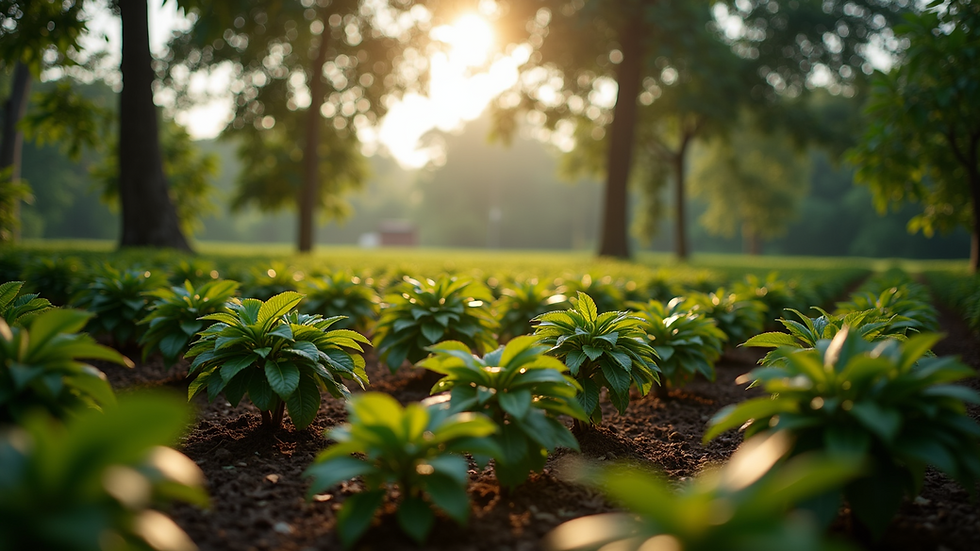
Cameroon’s coffee scene is a hidden gem for those who appreciate unique and ethically sourced beans. The country’s diverse climate and rich soil produce coffee with a distinct character that stands out in the light roast category.
When I first tried Cameroonian light roast coffee, I was captivated by its bright acidity and complex fruit notes—think ripe berries, citrus zest, and a hint of floral sweetness. These flavors are a direct reflection of the region’s terroir and the meticulous care farmers put into their crops.
Supporting Cameroonian coffee means supporting communities. Many farms are smallholder operations that rely on fair trade partnerships to thrive. By choosing these beans, you’re helping to boost local economies and promote sustainable farming practices.

Tips for Brewing Your Light Roast Coffee to Perfection
Once you’ve found your ideal light roast coffee, brewing it correctly is key to unlocking its full potential. Here are some tips that have transformed my morning ritual:
1. Use Fresh, Filtered Water
Water quality impacts flavor. Use filtered water heated to about 195-205°F (90-96°C) for optimal extraction.
2. Grind Just Before Brewing
Light roast coffee benefits from a precise grind size. For pour-over, a medium-fine grind works well. Grinding just before brewing preserves the delicate aromas.
3. Experiment with Brew Methods
Pour-over, Aeropress, and Chemex are excellent for light roasts. They highlight the coffee’s clarity and brightness. Try different methods to find your favorite.
4. Mind Your Coffee-to-Water Ratio
A good starting point is 1:16 (1 gram of coffee to 16 grams of water). Adjust to taste for stronger or lighter brews.
5. Take Your Time
Light roasts reward patience. Slow, even pouring during pour-over or a longer steep time in Aeropress can enhance flavor complexity.
Where to Buy Light Roast Coffee Online
Finding a trustworthy source for light roast coffee online can be overwhelming, but it’s worth the effort. I recommend exploring specialty roasters who prioritize quality and ethical sourcing. One such place is Akoma Coffee, a brand dedicated to bringing premium Cameroonian coffee to your doorstep.
Akoma Coffee stands out because they work directly with farmers in Cameroon, ensuring fair trade and sustainable practices. Their light roast offerings capture the essence of African coffee—vibrant, complex, and full of life. Plus, their transparent approach to sourcing and roasting means you know exactly what’s in your cup.
Shopping online with Akoma Coffee means you’re not just buying coffee; you’re supporting a movement to uplift communities and share the rich flavors of Cameroon with the world.

Embrace the Journey of Coffee Discovery
Buying light roast coffee online is more than a transaction—it’s an invitation to explore new tastes, support ethical farming, and savor moments of pure joy. Each cup tells a story of the land, the people, and the passion behind it.
So next time you crave that bright, lively cup, remember these tips. Choose beans with care, brew with intention, and enjoy the vibrant flavors that only a well-sourced light roast can offer. Your palate—and the planet—will thank you.
Happy brewing!


Comments